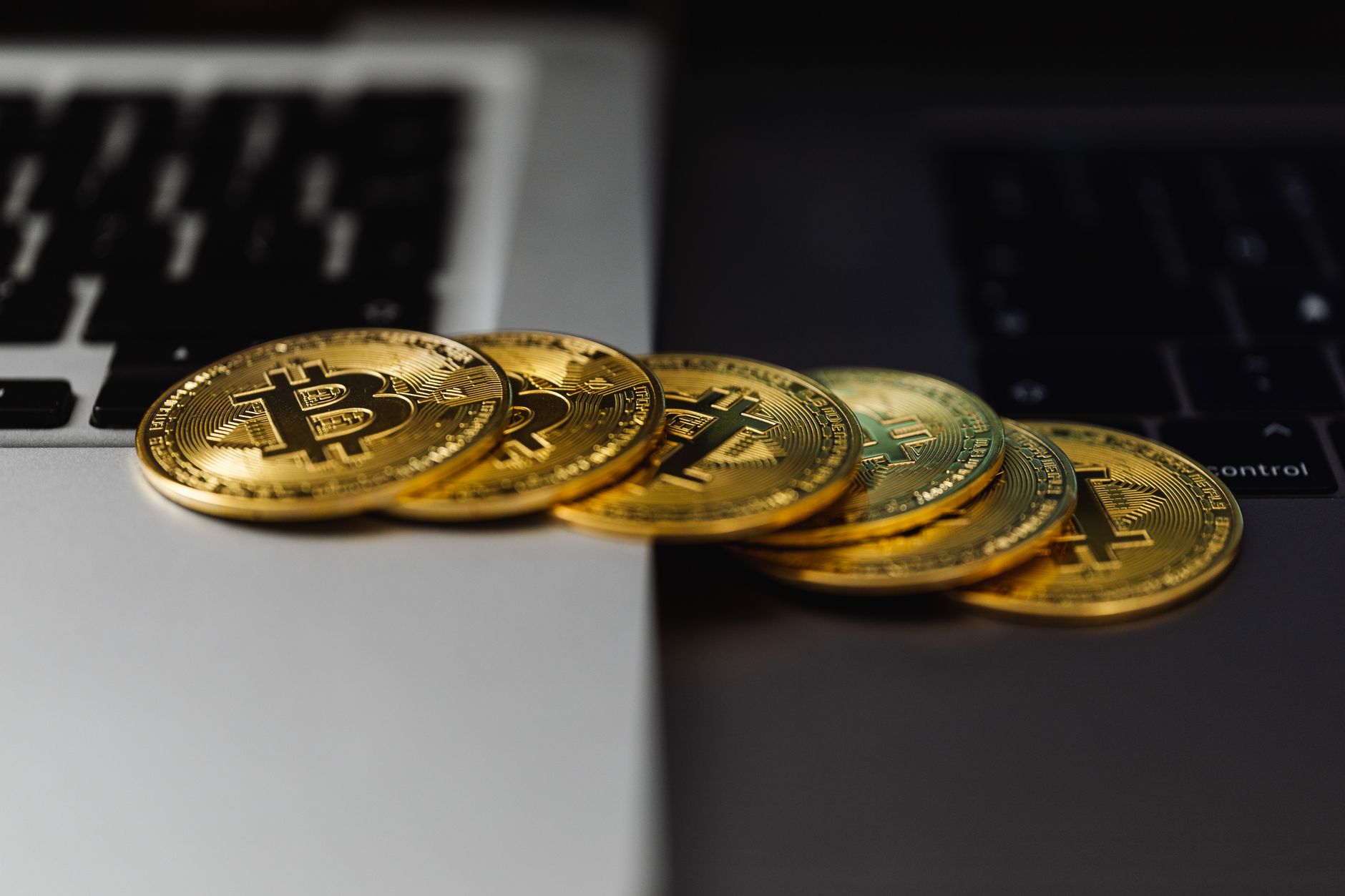
From Fiat to Faucets: Your First Crypto Wallet & How to Fill It (No, Not with Water!)
So, you've heard the buzz, perhaps even dipped your toes into the fascinating world of cryptocurrency, and now you're ready to take the plunge. But before you can start trading Bitcoin or collecting NFTs, you need a safe and secure place to store your digital assets: a crypto wallet. Think of it as your personal, encrypted bank account for the blockchain. There are two primary types: hot wallets and cold wallets. Hot wallets, like those offered by exchanges or browser extensions, are connected to the internet and offer convenience for frequent transactions. Cold wallets, on the other hand, are hardware devices or paper wallets that are offline, providing superior security for larger holdings. Choosing the right wallet depends on your individual needs for security, accessibility, and the amount of crypto you plan to hold. Consider factors like the types of cryptocurrencies supported and ease of use.
Once you've selected your wallet, the next step is to fund it – moving your traditional 'fiat' currency (like USD or EUR) into the crypto ecosystem. This typically involves using a reputable cryptocurrency exchange. Here's a general breakdown of the process:
- Sign Up and Verify: Create an account on an exchange (e.g., Coinbase, Binance) and complete their Know Your Customer (KYC) verification process, which usually involves providing ID.
- Link Payment Method: Connect your bank account, debit card, or credit card to the exchange.
- Purchase Cryptocurrency: Navigate to the 'buy' section and select the cryptocurrency you wish to acquire (e.g., Bitcoin, Ethereum). Enter the amount you want to purchase in fiat currency.
- Transfer to Wallet: Once purchased, you can choose to leave it on the exchange (less secure for long-term holding) or, ideally, transfer it to your chosen personal crypto wallet for enhanced security.
Remember, always double-check wallet addresses before initiating any transfer, as crypto transactions are irreversible!
Decentralized betting platforms are revolutionizing the gambling industry by leveraging blockchain technology to create transparent, secure, and fair betting environments. These platforms remove the need for intermediaries, allowing for peer-to-peer wagers and instant payouts, often using cryptocurrencies. For those interested in exploring this innovative approach to wagering, you can find more information about decentralized betting here. By eliminating traditional bookmakers, decentralized systems offer enhanced privacy and reduced fees for users worldwide.
Beyond the Buzzwords: Common Crypto Wallet Questions & Practical Tips for Your Decentralized Journey
Navigating the world of crypto wallets can feel overwhelming, especially with the constant influx of new terminology. Beyond simply knowing what a 'hot wallet' or 'cold wallet' is, understanding their practical implications is crucial. Many users grapple with questions like "Which wallet offers the best balance of security and convenience for my specific needs?" or "How do I recover my funds if I lose my seed phrase?". It's not just about the technology; it's about making informed decisions that safeguard your digital assets. Consider your risk tolerance, the frequency of your transactions, and the types of cryptocurrencies you hold. For instance, holding significant long-term investments might warrant a hardware wallet, while frequent trading could benefit from a reputable software wallet with strong security features.
Practical tips are essential for a smooth decentralized journey. Firstly, always back up your seed phrase (recovery phrase) securely and offline. This is your ultimate key to your funds; losing it means losing your crypto. Secondly, be wary of phishing attempts and never share your seed phrase with anyone, regardless of how official they appear. Thirdly, understand the difference between custodial and non-custodial wallets. With non-custodial wallets, you are your own bank, meaning you have full control and responsibility. Regularly update your wallet software to benefit from the latest security patches and features. Finally, practice sending small test transactions when moving significant amounts of crypto to a new address. This simple step can prevent costly errors and give you peace of mind.